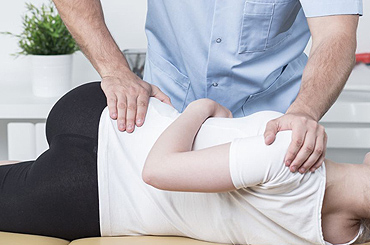
Physiotherapy

Electric Stimulation

Electricity has been used to treat pain for over 100 years. Early proponents of electricity were labeled as charlatans, but recent scientific studies have proven that electricity can reduce both acute and chronic pain. The exact mechanism of electrical stimulation’s beneficial effect remains controversial. Electrical stimulation may directly block transmission of pain signals along nerves. In addition, electrical stimulation has been shown to promote the release of endorphins, which are natural painkillers produced by the body.

Several different electrical stimulation devices exist, each producing different frequencies, waveforms, and effects. Electrical modalities include: Transcutaneous Electrical Nerve Stimulation (TENS) (the most commonly used), Interferential Current (IFC) and Galvanic Stimulation (GS). Each device applies electric stimulation to nerves and muscles via adhesive pads placed on the skin. These devices are powered by batteries, and some units have an adapter that allows powering from an outlet.

Side effects are rare, but include allergic skin irritation under the adhesive pads and transient pain from the electrical charge. Placing the pads over the heart or over pacemaker leads could conceivably cause cardiac arrhythmia; placing them over the throat could conceivably cause low blood pressure and placing them over a pregnant uterus could conceivably cause fetal damage. Electrical stimulation should also not be applied over malignancies or infected areas.Because of these risks, electrical stimulation over these areas should be avoided and you should mention any concerns at your first appointment.


Ultrasound

Ultrasound is used in an effort to correct spinal joint misalignments and restore the nervous system to its optimal condition. Ulltrasound therapy can be useful for many different patients. The ‘micro-massage’ that ultrasound creates can help reduce swelling, increase blood flow, and decrease pain, stiffness, and spasms, making it a viable therapy for numerous applications. From patients who have suffered car accidents to those that have chronic back pain from any number of sources, ultrasound therapy can help them.


Traction

There are many types of disorders known to cause back pain including those defined as mechanical and/or compressive. Mechanical back pain commonly stems from injury or a degenerative process affecting discs, joints, ligaments and/or muscles. Pain from an irritated or ‘compressed’ nerve root, such as in sciatica, is termed compressive pain.

Conservative forms of treatment may include non-steroidal anti-inflammatory medication, a muscle relaxant, a prescription drug for pain during the acute phase, and physical therapy. Along with these therapies, spinal traction may be recommended.

Therapeutic spinal traction uses manually or mechanically created forces to stretch and mobilize the spine. Traction may alleviate back pain by stretching tight spinal muscles that result from spasm and widen intervertebral foramen to relieve nerve root impingement.

Manual therapeutic traction is a hands-on approach where the patient lies in a relaxed and comfortable position on the table supine. The therapist carefully positions their hands in such a way to support the patient’s head during distraction. The force is gentle, stable, and controlled.

During traction the therapist may reposition the head to one side, flex or extend the neck using their hands. A change in head position during traction may affect more positive results in reducing the patient’s symptoms.

A mechanical traction device used to treat the cervical spine is comprised of a head halter with over-the-door pulley system. Some patients are allowed to use this system at home after the therapist teaches them how to set the system up, wear the halter, apply the weights correctly, and duration of traction treatment. The patient may be able to use the head halter sitting, reclining, or laying supine.

Manual Lumbar traction involves distracting almost half of the body’s weight and therefore requires more of the therapist’s strength. After the patient is positioned, the therapist may pull at the ankles, once again using controlled force. Another technique involves draping the patient’s legs over the therapist’s shoulders. The therapist then steadily pulls with their arms positioned across the patient’s thighs. An alternative is a pelvic belt with straps used for distraction.

Mechanical traction may incorporate the use of a motorized split-traction table. The patient is placed in a pelvic harness secured to one end of the table. Some motorized units are computerized enabling the therapist to program the patient’s session of therapeutic traction.


Hydrotherapy

The hydrotherapy bed offers many physiological and therapeutic benefits. The hydrotherapy bed offers a gentle or deep penetrating massage combined with heat therapy. The benefits are overwhelming for the well-being of the user.

The hydrotherapy bed’s unique combination of hydrotherapy, massotherapy, flotation sensation, and gentle or deep massage increases circulation, and removes and eliminates harmful toxins from the body. The hydrotherapy bed’s warm, dry massage system helps the body rejuvenate itself and melts away the stresses of the day.

Here are some of the benefits that the hydrotherapy bed heated treatment can do for you:

  • Total relaxation
  • Deep muscle stimulation
  • Reduces stress & nervous tension
  • Enhanced recovery from pain
  • Invaluable relief from pain
  • Detoxification of the body
  • Joint stiffness
  • Improves General Health
  • Arthritic & rheumatic Conditions
  • Lowers blood pressure
  • relief from muscle spasms
  • Reduces heart rate
  • Reduces Fatigue
  • Improves skin tone
  • Aids in correcting insomnia
  • Reduces tension, headaches

Hydrotherapy beds have been recognized as a valuable method of physical and psychological healing and rejuvenation, offering the user preventative and curative treatment. The hydrotherapy bed, therefore, promotes a variety of physiological effects contributing to a healthy lifestyle.

Through regular hydrotherapy bed sessions, the user may experience all of the above benefits.


Heat/Ice

Caution: Ice and heat therapy can both interfere with circulation, especially in the elderly, the immune-compromised, and those with circulatory problems or who suffer from serious disease (including cancer). When in doubt, check with your physician. Never use any form of ice or heat therapy unless you are certain it’s appropriate for you to do so.

Ice
Ice is best used when applied to an acute injury (sports injury, sprained joint, fall or other impact, whiplash from a car accident) which has resulted in acute inflammation in the area of injury. Signs of acute inflammation include:

  • Visible swelling or swelling that you can detect with your fingers
  • Redness or other signs of irritation
  • A change in skin temperature, usually with the affected area feeling warmer than
    the surrounding areas

Ice helps to reduce swelling and inflammation, reduce redness and irritation and to provide an overall reduction of pain. In general, ice is appropriate for acute stage care, but you need to listen to your body. If ice seems ineffective, or if you feel worse after 5-10 minutes, discontinue use and consult your physician.

When it is possible, try to use frozen gel packs for ice therapy. These commercial products reduce the risk of a too-cold pack interfering with circulation. Wrap the pack in a towel and apply it to the injured or painful area. If your gel pack is cloth covered, you may apply it directly (a damp towel increases the effectiveness of the ice). If frost is visible, you should wrap in a towel before applying to the affected area. You can expect to feel a little cold discomfort in the area before any numbness or pain reduction has taken place. Limit your gel pack to 15 minute sessions.

If you must use ice (e.g., bag, compress, direct massage) make sure to avoid skin or circulation damage. When using an ice bag, protect exposed skin with a towel or take steps to ensure the ice bag is moved regularly. Never use ice for more than 10-15 minutes in one session. Limit ice massage to 5 minutes.

Heat
Heat is best utilized when you must cope with chronically stiff muscles or joints, or if your pain increases as the weather becomes colder. Heat helps to:

  • Increase circulation to the affected area
  • Bring fresh nutrients to an area that is healing
  • Relax chronically stiff muscles and joints to improve function

Persons with circulation problems should refrain from using heat or ice because they can’t reliably tell if the area is warming or cooling properly. Wrap hot packs in four to eight layers of thick toweling to start with. Adjust towel thickness as needed, but take care since heat accumulates quickly and what seemed too cool to start with can warm up in a hurry. Always use caution. In general, you may heat commercial hot packs in either boiling water or the microwave. Microwavable packs can be safer to handle in this regard, but you must warm them gradually.

Follow the instructions that come with the pack (or from your physician). Warming a too-cool pain in increments is easier and safer than experimenting as a too-hot pack cools down. A safe way to use heat is in the form of a simple compress heated in warm (not hot) water. Or soak in a warm bath, or let a warm shower run directly on the area. Regardless of the method you choose, limit heat therapy sessions to 15 minutes.

The theory behind alternating heat and ice – also called combination or contrast therapy – is that alternating cold and hot stimulates circulation. Ice drives blood and fluids out, and heat draws them in, creating a pumping action in the tissues which, in turn, promotes healing. You should use combination therapy only when your physician recommends it for a specific ailment.